
When it comes to natural fats, both tallow and lard are well-known options, each with its own distinct benefits and uses. However, while they may seem similar, there are important differences between the two. Whether you’re using them in cooking or skincare, knowing the difference between tallow and lard can help you make the right choice. Let’s break down the key distinctions.
What is Tallow?
Tallow is rendered fat, primarily derived from cows or other ruminants like sheep and bison. When sourced from grass-fed animals, it is rich in vitamins A, D, E, and K, as well as beneficial fatty acids such as conjugated linoleic acid (CLA). It is solid at room temperature and has a relatively high smoke point, making it ideal for cooking and skincare.
Common Uses for Tallow:
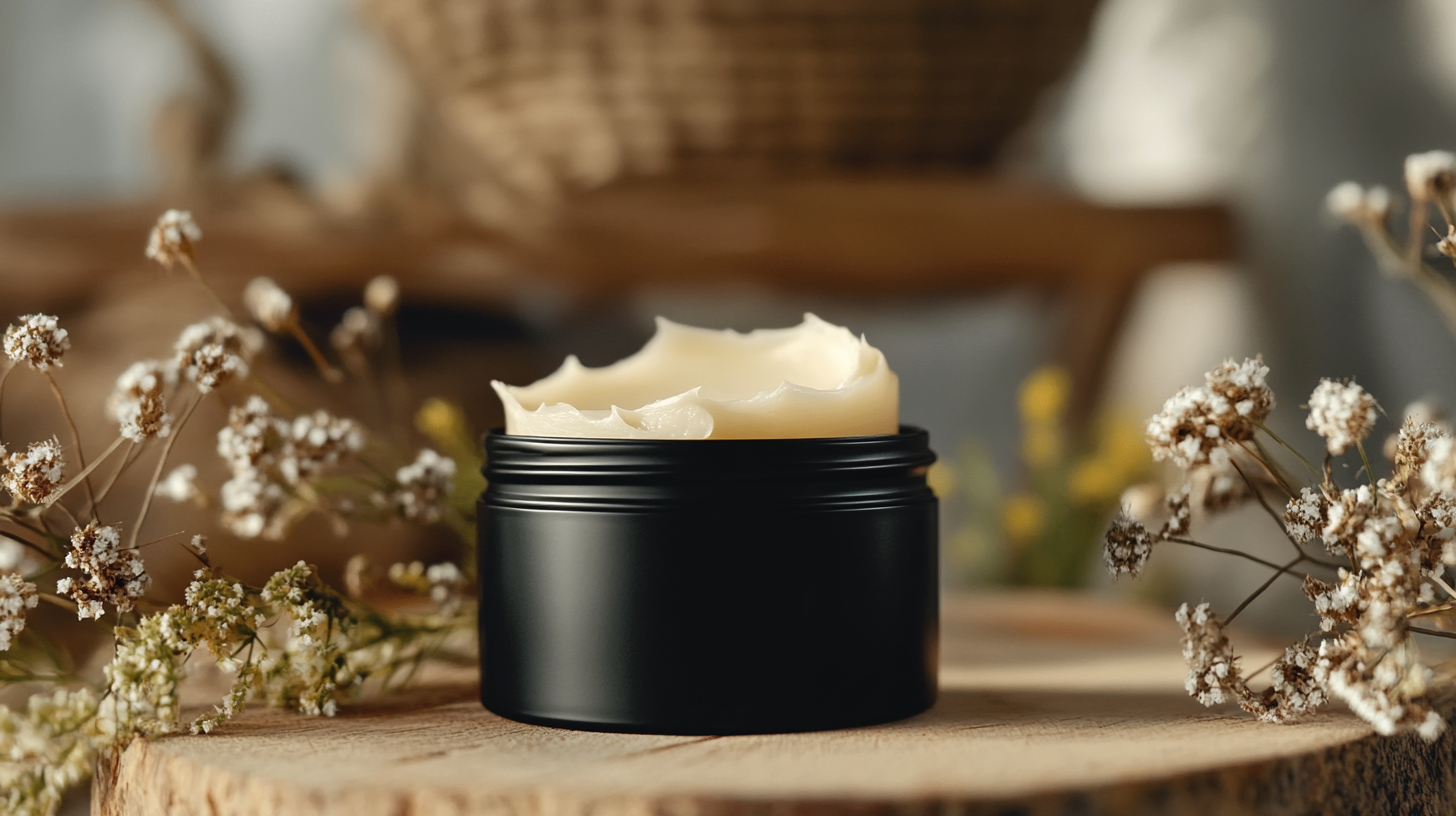
- Skincare: Tallow is widely used in natural skincare products such as balms, soaps, and moisturizers. Its fatty acid profile closely resembles human skin, making it an effective natural moisturizer.
- Cooking: With a high smoke point of around 400°F (204°C), tallow is excellent for frying, roasting, and searing. It’s prized for its ability to retain flavor in dishes.
Benefits of Tallow:
- Rich in fat-soluble vitamins (A, D, E, and K)
- High smoke point, ideal for high-heat cooking
- Excellent moisturizer, mimicking the skin’s natural oils
- Anti-inflammatory properties due to CLA
What is Lard?
Lard is rendered fat from pigs and has been a staple in kitchens around the world for centuries. It is softer than tallow, often with a smoother texture, and has a slightly lower smoke point. Like tallow, lard is solid at room temperature but melts easily when heated.
Common Uses for Lard:
- Cooking: Lard is a popular cooking fat in many traditional recipes. Its smooth texture makes it perfect for baking, especially in pie crusts and pastries. It also has a smoke point of about 370°F (188°C), suitable for sautéing, frying, and roasting.
- Skincare: Though less common in skincare than tallow, lard can be used in natural balms and creams. Its high-fat content makes it an effective moisturizer, though it’s often preferred for its culinary uses.
Benefits of Lard:
- Contains monounsaturated fats, which are beneficial for heart health
- Softer texture, ideal for baking and pastries
- Mild flavor that enhances the taste of savory dishes
- Easier to spread and incorporate into recipes
Key Differences Between Tallow and Lard
1. Source:
- Tallow: Derived from cows, sheep, and other ruminants.
- Lard: Derived from pigs.
2. Texture:
- Tallow: Typically firmer and more solid at room temperature.
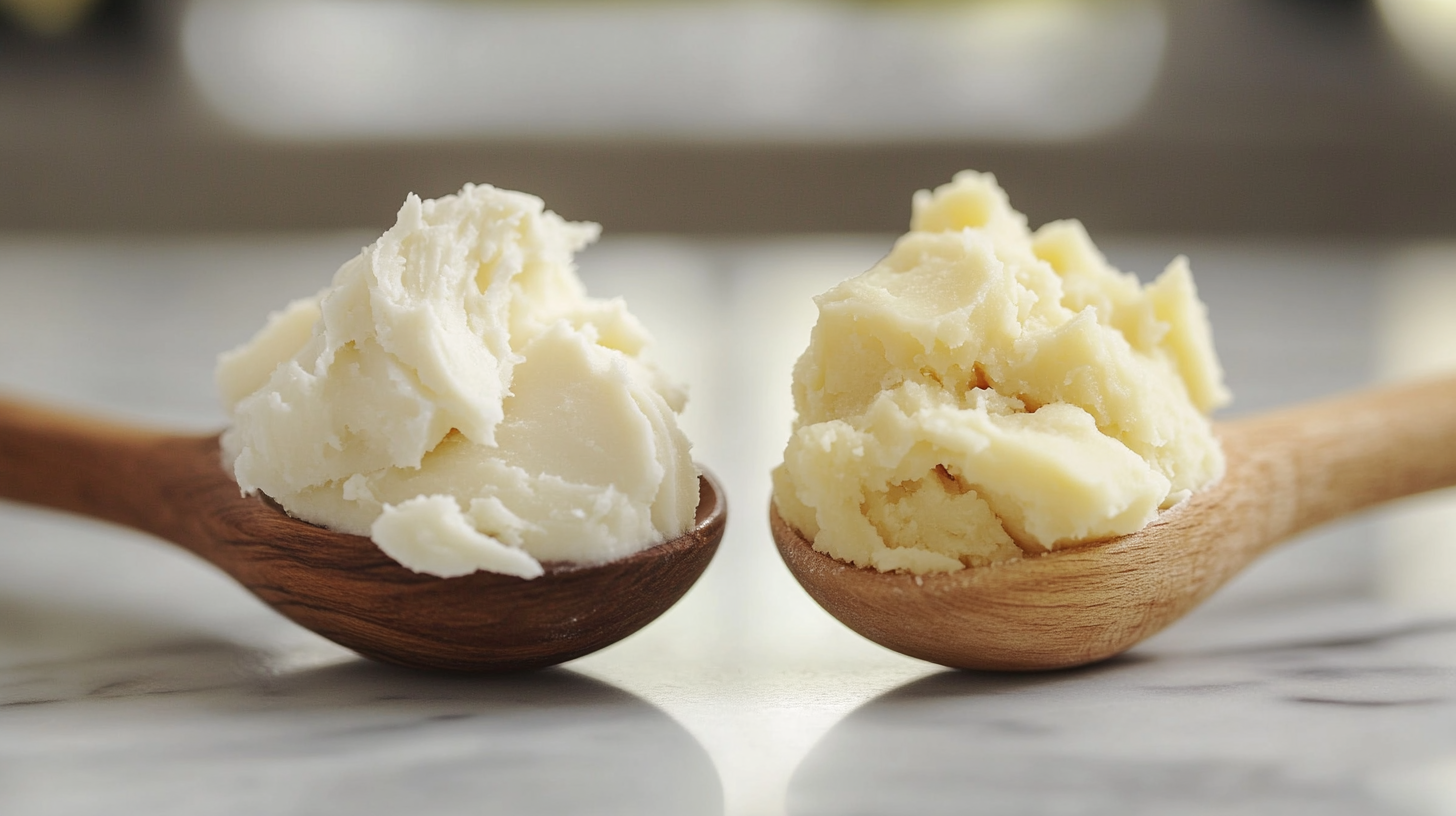
- Lard: Softer and creamier, making it easier to spread and incorporate into recipes like pastries.
3. Nutrient Composition:
- Tallow: Contains higher levels of vitamins A, D, E, and K. Grass-fed tallow is especially rich in CLA, which has anti-inflammatory properties.
- Lard: Rich in monounsaturated fats (similar to olive oil), which are known for heart health benefits.
4. Culinary Uses:
- Tallow: Best suited for high-heat cooking like frying and roasting, as it has a higher smoke point.
- Lard: Often preferred in baking for its ability to create flaky pastries and pie crusts. Also used for sautéing and shallow frying.
5. Flavor:
- Tallow: Has a stronger, beefy flavor that can enhance certain dishes but may overpower others.
- Lard: Milder in taste, making it more versatile for a wide range of recipes, particularly in baking.
Which Should You Use?
For Cooking:
- Tallow: If you’re frying or roasting at high temperatures, tallow is the better option due to its higher smoke point and rich flavor. It’s ideal for savory dishes where a beefy or meaty flavor is desired.
- Lard: Lard is perfect for baking and recipes that require a softer fat, such as pie crusts, biscuits, and other pastries. Its mild flavor won’t overpower the dish, making it a go-to for many traditional baked goods.
For Skincare:
- Tallow: Tallow wins when it comes to skincare due to its similarity to the skin’s natural oils. It’s an excellent moisturizer and is often used in natural balms, lotions, and soaps.
- Lard: While lard can be used in skincare, it’s not as commonly found in commercial products. However, its moisturizing properties are still beneficial if used in homemade creams or balms.
Environmental and Health Considerations
Grass-Fed vs. Grain-Fed:
When choosing tallow or lard, consider whether it comes from grass-fed or grain-fed animals. Grass-fed tallow and lard are richer in nutrients, including CLA and omega-3 fatty acids, which offer additional health benefits.
Sustainability:
If sustainability is a concern, look for sources that raise animals humanely and in environmentally friendly ways. Both tallow and lard can be sustainable options, especially when sourced from farms that practice regenerative agriculture.
Final Thoughts
Both tallow and lard are versatile fats with distinct uses and benefits. While tallow excels in high-heat cooking and skincare, lard shines in baking and provides heart-healthy fats. The choice between tallow and lard depends on your specific needs, whether for cooking, skincare, or health considerations. Whichever you choose, both provide natural, nutrient-rich alternatives to synthetic or highly processed oils.