
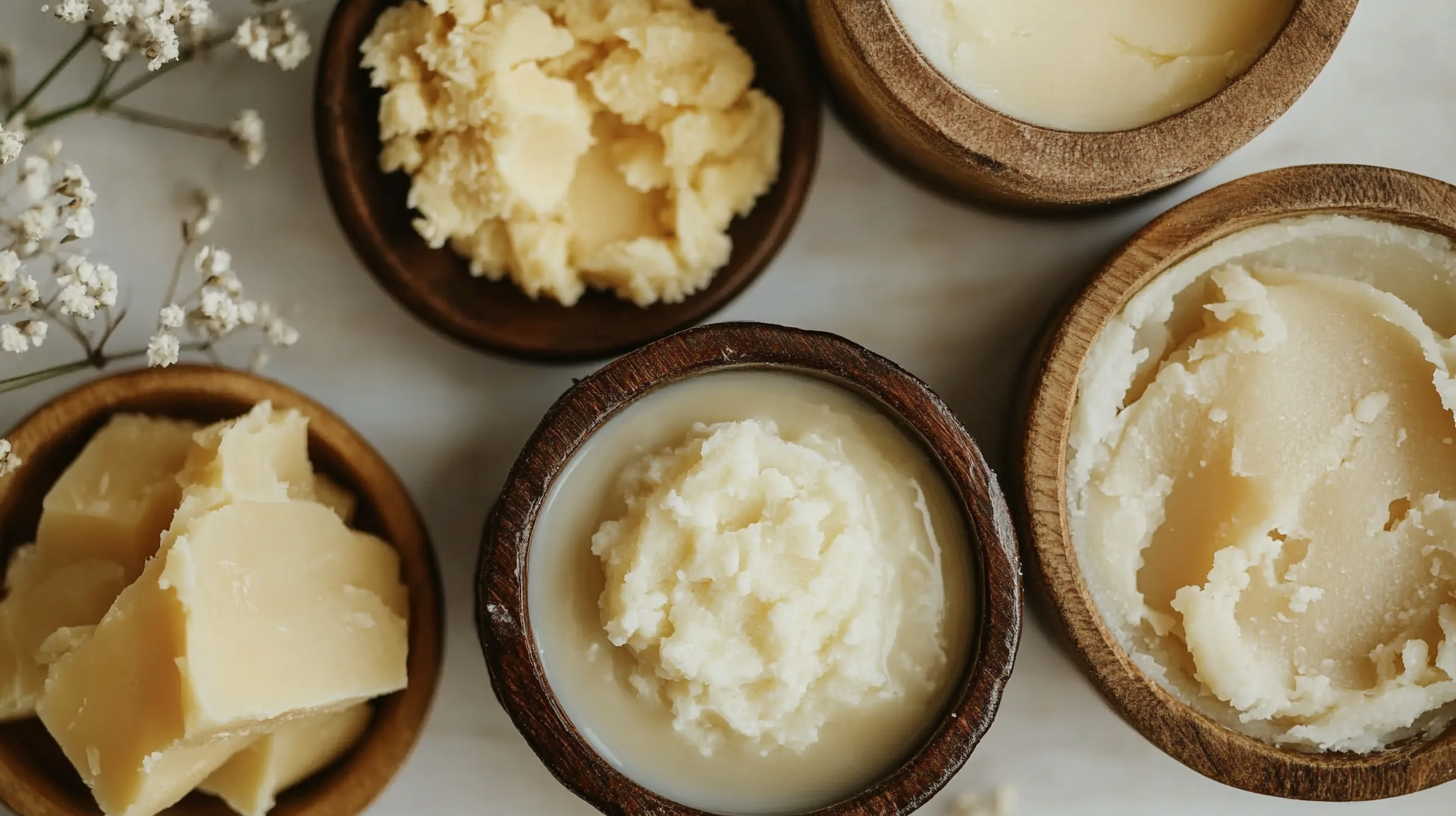
Tallow is an incredibly versatile and nutrient-rich substance derived from the fat of animals. While many people associate tallow primarily with beef, there are several different types, each with its own unique characteristics and uses. Whether you’re using tallow for skincare, cooking, or other purposes, understanding the various types can help you choose the best one for your needs.
1. Beef Tallow
What is it?
Beef tallow is the most common type of tallow and is made from the fat of cows. It is particularly valued in skincare because its fatty acid composition is similar to that of human skin. When sourced from grass-fed cows, beef tallow is rich in vitamins A, D, E, and K, making it highly nourishing and hydrating for the skin.
Uses:
- Skincare: Beef tallow is widely used in moisturizers, balms, and soaps. Its ability to deeply hydrate and soothe the skin makes it a favorite for people with dry or sensitive skin.
- Cooking: In the culinary world, beef tallow is prized for its high smoke point, making it an excellent option for frying and roasting.
Benefits:
- Rich in fat-soluble vitamins
- High in healthy fats like conjugated linoleic acid (CLA)
- Easily absorbed by the skin without clogging pores
2. Mutton Tallow
What is it?
Mutton tallow comes from sheep fat and has a slightly different composition than beef tallow. While not as commonly used, it is still an excellent source of fatty acids and nutrients. Mutton tallow is often thicker and can have a stronger scent compared to beef tallow.
Uses:
- Skincare: Mutton tallow is great for deeply moisturizing the skin, particularly for very dry or mature skin types.
- Traditional Uses: In many cultures, mutton tallow has been used in folk remedies and for cooking due to its rich nutrient profile.
Benefits:
- Excellent for very dry or damaged skin
- Contains unique fatty acids that support skin repair and healing
3. Pork Tallow (Lard)
What is it?
Pork tallow, also known as lard, is another type of rendered fat. While it’s more commonly known for its use in cooking, lard can also be used in skincare products. However, pork tallow has a softer consistency compared to beef and mutton tallow, which makes it better suited for certain applications.
Uses:
- Skincare: Lard is sometimes used in balms and lotions, though its softer texture makes it less popular for firm products like soap bars.
- Cooking: Lard is a common ingredient in many traditional recipes due to its mild flavor and high smoke point.
Benefits:
- Softer texture, ideal for making creams and balms
- High in monounsaturated fats, which are beneficial for skin hydration
4. Bison Tallow
What is it?
Bison tallow is a rarer form of tallow that comes from the fat of bison. Like beef tallow, it is rich in essential fatty acids and vitamins that are excellent for skin health. Bison tallow is prized for its purity, especially when sourced from grass-fed and pasture-raised animals.
Uses:
- Skincare: Bison tallow is used in premium skincare products because of its high nutrient content. It’s great for reducing inflammation and promoting skin regeneration.
- Cooking: Due to its high-quality fat content, bison tallow is also used in gourmet cooking.
Benefits:
- Extremely nutrient-dense and often considered more “pure” due to the natural diet of bison
- Rich in omega-3 fatty acids, which help reduce inflammation
5. Deer Tallow
What is it?
Deer tallow, while less commonly used, is another animal fat that has been employed in traditional skincare and remedies. This type of tallow is often used by hunters who utilize every part of the animal, including the fat, for its natural moisturizing properties.
Uses:
- Skincare: Deer tallow can be used in DIY skincare, particularly for making balms and salves. It has been known to soothe dry, cracked skin.
- Traditional Remedies: In some cultures, deer tallow was used for healing and skin protection due to its regenerative properties.
Benefits:
- Works well for healing damaged skin
- Sourced sustainably in many traditional practices
Which Tallow Should You Choose?
The type of tallow you choose depends on your specific needs. For skincare, beef tallow from grass-fed cows is often the best choice due to its balance of nutrients and mild scent. Mutton tallow is ideal for those with very dry skin, while bison tallow offers a high-quality alternative rich in omega-3s. If you’re cooking, lard and beef tallow are excellent options due to their high smoke points and nutritional benefits.
Final Thoughts
Tallow, in all its forms, remains a versatile and valuable resource that continues to find new applications in modern skincare and culinary traditions. Whether you’re looking for a deeply nourishing moisturizer or a healthy fat for cooking, there’s a type of tallow that’s perfect for your needs.